Source Mineral Sunscreen Lipstick Tube for Cosmetics
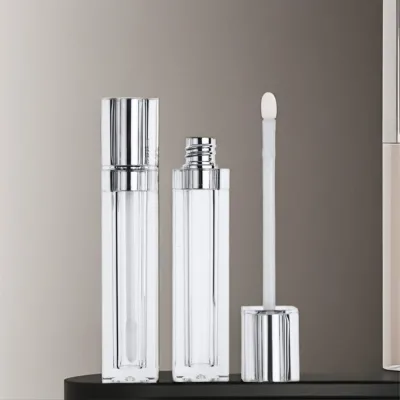
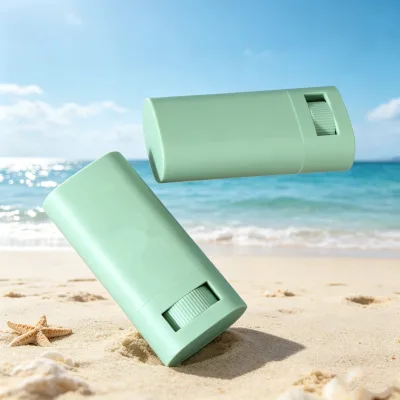
Source 30 mineral sunscreen lipstick tube options for personal care packaging. Compare plastic containers with screen printing and customization services for cosmetic applications. These recyclable items feature injection molding and logo printing. Ideal for foundation cosmetics and skin care. Zhejiang suppliers offer bulk packing with inner PE bags. MOQs range from 500 to 30,000 pieces.
Key considerations
Products List




Comprehensive Sourcing Guide
Mineral Sunscreen Lipstick Tube Sourcing Guide
Procuring mineral sunscreen lipstick tubes requires distinguishing between standard cosmetic packaging and specialized containers designed for UV-protective formulations. While the observed market data highlights products labeled for deodorant, hand cream, and facial cleanser applications, buyers must verify that the specific tube geometry and material compatibility support the unique viscosity and chemical stability of mineral-based lip products. The presence of "Empty Oval Mini Deodorant Stick Container" listings suggests that stick-form packaging is available, yet the intended use for lipstick demands rigorous testing to ensure the mineral filters do not degrade the plastic or compromise the dispensing mechanism.
Buyers should prioritize suppliers who demonstrate experience with "Cosmetic Perfume" and "Foundation Cosmetics" applications, as these categories share similar formulation challenges with mineral sunscreens. The observed "Injection Molding" technique and "Screen Printing" surface treatments indicate a capacity for high-volume production, but the specific "7g/7ml" or "5g" standards listed for other products may not align with standard lipstick weights. It is essential to confirm that the "Plastic" material used is chemically inert to zinc oxide or titanium dioxide, ensuring that the packaging does not interact with the active ingredients to alter the product's efficacy or safety profile.
Product Scope and Observed Listing Signals
The current market signals indicate a diverse range of packaging types, including "Stick Packaging," "Square" shapes, and various "Liquid" form containers, which creates a complex landscape for sourcing specific lipstick tubes. Although the data explicitly lists "Empty Oval Mini Deodorant Stick Container" and models like "WK-71-1," these items are not guaranteed to be suitable for lipstick without further validation. Buyers must carefully cross-reference the "Industrial Use" and "Application" fields to ensure the listed products are not restricted to deodorant or skin cleanser uses, as the internal geometry and closure mechanisms for these categories differ significantly from those required for lip care.
Observations of "Recyclable" features and "Customization" options such as "Logo Engraving" and "Sticker" services suggest that suppliers are equipped to handle branding needs, but the "Color" and "Form" attributes vary widely across the 30 observed products. The presence of "Makeup Sets" and "Foundation Cosmetics" in the application list implies that some suppliers may offer multi-component kits, yet the specific "Mineral Sunscreen Lipstick Tube" remains a niche requirement within this broader scope. Procurement teams must filter out listings intended for "Women" specific "Skin" care that do not explicitly support the "Stick" form factor required for lipstick, ensuring the selected container matches the physical dimensions of the product.
Technical Specifications to Verify
Verifying the internal diameter and wall thickness of the tube is critical, as the observed "30mm," "35mm," and "40mm" standards likely refer to external dimensions or cap sizes rather than the core capacity for a lipstick bullet. The "7g/7ml" and "5g" standards mentioned in the data provide a baseline for weight capacity, but buyers must confirm that the "Injection Molding" process can produce the precise tolerances needed to prevent leakage or breakage of the mineral sunscreen formula. Since the "prod_model" varies from "ELT-1" to "UB-XH66," each model may have distinct structural properties that affect how the stick mechanism operates, necessitating physical samples to validate the fit and function.
Surface treatment capabilities, specifically "Screen Printing," must be evaluated for their ability to adhere to the specific plastic resin used in the tube, ensuring that branding remains legible despite the friction of the lipstick application. The "Customization" options for "Brand Name" and "Paper Box" packaging are valuable, but the "prod_packing" methods, ranging from "Carton with Inner PE Bag" to "Bulk/Plstic Bag+Carton," must be assessed for their ability to protect the delicate lipstick sticks during transit. Buyers should also verify if the "Shape" options, such as "Square" or "Oval," align with ergonomic requirements for lip application, as the observed data does not explicitly confirm a "Lipstick" specific shape standard.
Compliance and Safety Documentation
Ensuring that the packaging materials meet international safety standards is paramount, particularly given the proximity of the product to the lips and the potential for ingestion. The observed "CE" and "ISO" certifications, along with "SGS" standards, provide a foundation for compliance, but buyers must request specific migration test reports to confirm that the "Plastic" material does not leach harmful substances when in contact with mineral sunscreen ingredients. The "Certification" field lists "CE" and "ISO," yet these are general indicators; specific documentation proving compliance with food-contact or cosmetic-grade regulations for the exact plastic formulation is required before mass production begins.
Documentation regarding the "Recyclable" nature of the packaging should be supported by third-party verification to avoid greenwashing claims, especially as environmental regulations tighten globally. The "prod_standard" entries like "7g/7ml" or "15g" are product specifications rather than safety certifications, so buyers must ensure that the supplier can provide a Certificate of Analysis (CoA) for the raw materials used in the "Injection Molding" process. Additionally, any "Surface Treatment" involving inks or adhesives for "Logo Printing" must be verified for non-toxicity, ensuring that the "Sticker" or "Label" services do not introduce allergens or irritants that could compromise the safety of the final cosmetic product.
Cost Drivers and Commercial Terms
The observed MOQ range of 500 to 30,000 units, with specific listings showing "10000" and "12000PCS," indicates that economies of scale are a significant factor in pricing for these specialized tubes. Buyers should anticipate that lower MOQs, such as the "500" unit threshold, will carry a premium per unit due to the setup costs associated with "Injection Molding" and custom "Screen Printing" processes. The "Customization" features, including "Logo Engraving" and "Brand Name" application, will further influence the final cost, as these value-added services require additional tooling and quality control steps that are not included in standard bulk pricing.
Pricing volatility is often driven by the "prod_packing" requirements, where options like "Paper Box Well Packaged" or "Carton Packing" add material and labor costs compared to "Bulk/Plstic Bag+Carton" solutions. The "Color" and "Shape" variations observed in the product list can also impact costs, as custom molds for unique geometries like "Square" or "Oval" shapes require higher initial investment. Buyers must negotiate clear terms regarding the "Lead Time" for tooling and production, as the "Zhejiang, China" origin suggests potential logistical variables that could affect the overall cost structure and delivery schedule for large orders.
Supplier Qualification and Quality Control
Selecting a supplier requires a thorough audit of their "Injection Molding" capabilities and their history with "Cosmetic" and "Personal Care" clients. The observed "Zhejiang, China" location is a major manufacturing hub, but buyers must verify that the specific facility has the equipment to handle the precision required for "Stick Packaging" and "Lipstick" applications. Checking for "ISO" and "CE" certifications is a starting point, but direct engagement with the supplier's quality assurance team to discuss their "Surface Treatment" and "Logo Printing" processes is essential to ensure consistency across batches.
Quality control protocols must extend beyond the final product to include raw material verification and in-process checks for "Recyclable" claims and structural integrity. The "prod_packing" methods, such as "about 1000pcs/ctn," should be validated to ensure that the packaging protects the tubes from damage during shipping, especially given the "disposable" nature of the product which may imply thinner walls. Buyers should request a sample batch to test the "Function" of the tube, ensuring it can hold the "Foundation Cosmetics" or "Mineral Sunscreen" formula without leaking or deforming under normal handling conditions.
Long-Term Procurement Checks
Establishing a long-term partnership requires regular re-evaluation of the supplier's ability to maintain consistent quality and adhere to evolving regulatory standards. The "Customization" options for "Sticker," "Label," and "Printing" should be reviewed periodically to ensure they remain cost-effective and aligned with current market trends in "Cosmetic" packaging. Buyers must also monitor the "prod_standard" and "prod_model" updates to ensure that the supplier is not discontinuing critical components or shifting to less compatible materials that could affect the "Mineral Sunscreen Lipstick Tube" performance.
Supply chain resilience is another critical factor, as the "MOQ" requirements and "Lead Time" can fluctuate based on raw material availability and production capacity. The "Paper Box" and "Carton" packaging solutions should be assessed for sustainability and cost stability over time, as changes in material costs can significantly impact the total landed cost. Finally, maintaining open communication regarding "Certification" renewals and "Test Results" ensures that the supplier remains compliant with international safety standards, protecting the brand from potential recalls or regulatory issues in the future.
FAQs
Can I customize the logo on these containers?
Yes, customization is available for these plastic cosmetic containers. You can choose from options such as sticker labels, printing, logo engraving, or brand name application. The surface treatment supports screen printing, allowing for clear and durable branding on the oval mini deodorant stick or similar packaging formats.
What certifications do these cosmetic tubes have?
These cosmetic containers hold CE and ISO certifications, ensuring they meet specific safety and quality standards for personal care products. Some listings also reference SGS standards. These certifications are critical for brands requiring compliant packaging for cosmetics, skincare, or perfume applications in regulated markets.
What is the minimum order quantity for these tubes?
The minimum order quantity varies by supplier, typically ranging from 500 to 30,000 pieces. Specific models may require higher MOQs, such as 10,000 or 12,000 pieces. Buyers should verify the exact MOQ with the manufacturer, as it depends on the specific model, customization level, and packaging requirements.
What specifications are available for these containers?
Available specifications include various sizes such as 5g, 7g, 8-8.5g, and 15g capacities. Dimensions range from 25mm to 40mm in length. Models like WK-71-1, WK-80-5, and UB-XH66 offer different shapes and capacities, suitable for hand cream, facial cleanser, or deodorant stick applications.
How are these cosmetic tubes packaged for shipping?
Packaging options include paper boxes, carton packing with inner PE bags, or bulk plastic bags plus cartons. Some items are packed at approximately 1,000 pieces per carton. The packaging is designed to protect the plastic containers during transit, ensuring they arrive undamaged and ready for filling or branding.
Where are these cosmetic containers manufactured?
These plastic cosmetic containers are manufactured in Zhejiang, China. The region is known for its robust packaging industry, offering efficient production capabilities for custom cosmetic tubes. Buyers can source directly from factories in this location to benefit from established supply chains and competitive manufacturing costs.